
 Get Tips and Tricks
Tips and Tricks
How Chicago’s Extreme Weather Affects Your Clothes and When Dry Cleaning Really Matters
Get ready for cool weather with $49 leather cleaning.
Read tips, tricks, and how-to’s on our Fabric of Life blog.
Tips and Tricks
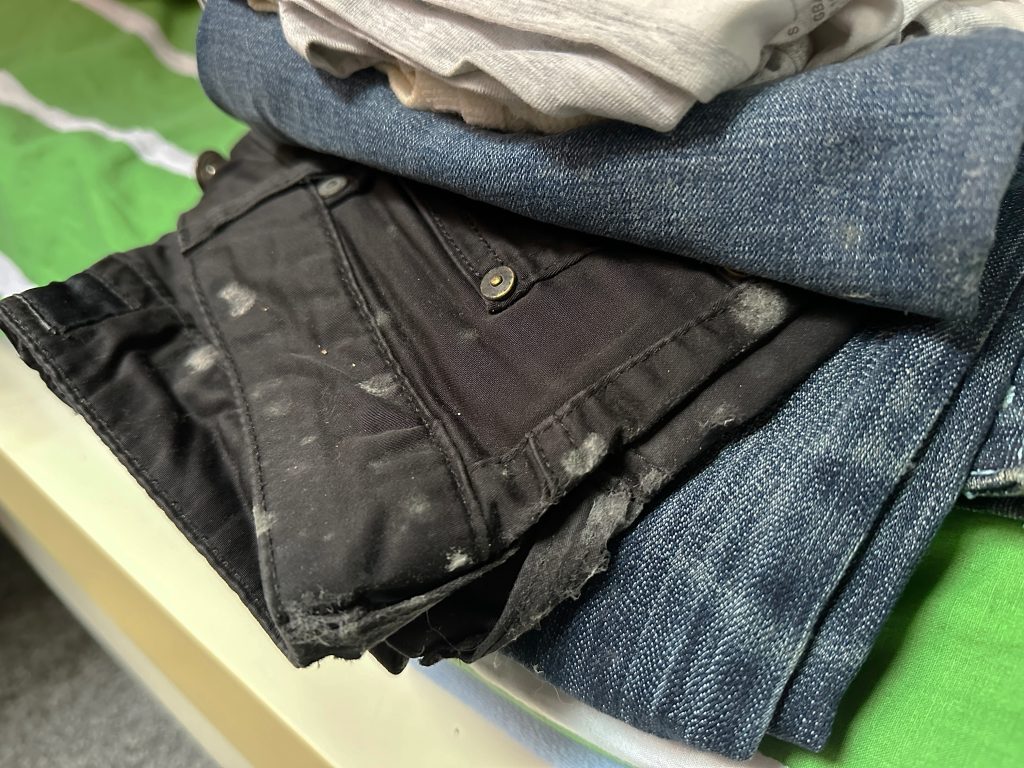
“To prevent mold on stored winter clothes and outerwear, follow essential winter laundry tips like cleaning garments before storage, drying them completely, using breathable storage bags, and keeping humidity below 50%. Avoid sealing natural fabrics in plastic, don’t store slightly damp items, and use moisture absorbers in closets or storage areas. Professional cleaning before seasonal storage further reduces mold and odor risk.”
Winter storage can quietly damage your wardrobe if it’s done wrong. Coats, sweaters, blankets, and seasonal clothing often sit unused for months — and without proper cleaning and storage, they can develop mold, mildew, and permanent odor. The good news: with the right winter laundry tips, you can safely store clothes and outerwear and prevent moisture damage.
This guide gives clear, step-by-step winter laundry and storage practices optimized for Chicago homes and cold-weather conditions.
Clothes develop mold in storage when moisture, body oils, or invisible stains remain in the fabric and items are kept in low-airflow spaces. Mold spores are naturally present in the air and grow quickly when humidity rises above 60% and fabrics stay slightly damp or soiled.
Most common causes include storing dirty clothes, trapped moisture, humid closets or basements, and using plastic bags that trap condensation.
Yes — always clean winter garments before storage. Even if they look clean, sweat, skin oils, and pollution can attract mold and insects. Heavy coats and structured garments especially benefit from professional cleaning before being stored for months.
Many customers ask: “Can you get mold stains out of clothes?”, “How do you remove mould from clothes?”, and “How do you remove mold from fabric?”
If mold has already developed, act quickly. For washable items, wash them in hot water with vinegar or baking soda. For delicate or dry-clean-only garments like wool sweaters, coats, and blankets, bring them to CD One Price Cleaners immediately. Our professional dry cleaning and specialized cleaning methods can often successfully remove mold stains without damaging the fabric. The sooner you address it, the better the results.
Clothes must be completely dry before storing. Even slight dampness can trigger mildew growth. Air dry thick items thoroughly, let them cool completely after drying, and never fold warm clothes into storage containers.
Wool & Cashmere Clean thoroughly before storing, fold instead of hanging, and use breathable cotton bags.
Down Jackets & Puffer Coats Clean and fully dry, then store loosely in breathable bags to maintain loft.
Synthetic Outerwear Wash and dry completely, then store with good airflow.
Blankets & Bedding Wash, dry fully, and store in breathable containers.
Use breathable fabric storage bags or cotton garment bags. Avoid sealed plastic bags and vacuum bags for long-term storage of natural fibers. Plastic bins are acceptable only if clothes are bone-dry and you add moisture absorbers.
Use silica gel packs, charcoal absorbers, or closet dehumidifiers. Keep storage humidity between 30–50% for best results.
Traditional mothballs are effective but contain strong chemicals. Safer options include cedar blocks, lavender sachets, or breathable garment bags.
Clean thoroughly, dry completely, use breathable covers, and avoid overcrowding. Add odor absorbers like charcoal packs nearby.
Heavy coats, wool garments, and blankets & comforters often hold deep oils and pollutants that home washing can’t fully remove. Professional cleaning before storage is one of the most effective ways to prevent mold, odor, and fabric damage.
At CD One Price Cleaners, we help Chicago residents properly clean and prepare winter clothing for safe storage every season.
Ready to protect your winter wardrobe? Visit your nearest CD One Price Cleaners location or schedule a convenient pickup and delivery today.
We think you may like
Get Tips and Tricks
How Chicago’s Extreme Weather Affects Your Clothes and When Dry Cleaning Really Matters
 Get Garment Guides
8 Tips to Protect Your Winter Coats: What to Do Before Snow Arrives
 Get Tips and Tricks
10 Reasons To Use a Wash and Fold Laundry Service