
 Get Tips and Tricks
Tips and Tricks
How Chicago’s Extreme Weather Affects Your Clothes and When Dry Cleaning Really Matters
Donate Gently Used Professional Attire Through 3/28.
Read tips, tricks, and how-to’s on our Fabric of Life blog.
Tips and Tricks
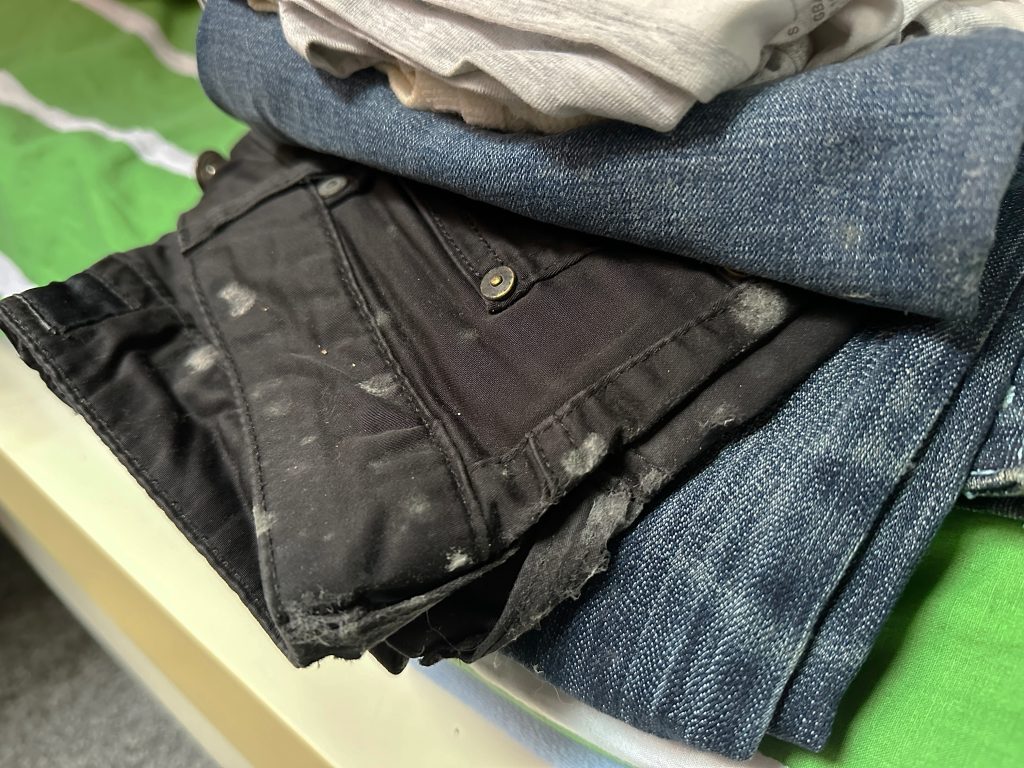
“To prevent mold on stored winter clothes and outerwear, follow essential winter laundry tips like cleaning garments before storage, drying them completely, using breathable storage bags, and keeping humidity below 50%. Avoid sealing natural fabrics in plastic, don’t store slightly damp items, and use moisture absorbers in closets or storage areas. Professional cleaning before seasonal storage further reduces mold and odor risk.”
Winter storage can quietly damage your wardrobe if it’s done wrong. Coats, sweaters, blankets, and seasonal clothing often sit unused for months — and without proper cleaning and storage, they can develop mold, mildew, and permanent odor. The good news: with the right winter laundry tips, you can safely store clothes and outerwear and prevent moisture damage.
This guide gives clear, fact-checked, step-by-step winter laundry and storage practices optimized for real households and cold-weather conditions.
Clothes develop mold in storage when moisture, body oils, or invisible stains remain in the fabric and items are stored in low-airflow spaces. Mold spores naturally exist in the air and grow when humidity rises above ~60% and fabrics stay slightly damp or soiled.
Most common causes:
Direct fix: Clean, fully dry, and breathable storage are the three requirements for mold prevention.
Yes — always clean winter garments before storage. Even if items look clean, invisible residues like sweat, skin oils, food particles, and pollution attract mold and insects.
Best practice:
Heavy coats and structured garments should be professionally cleaned to remove deep oils and residues safely.
Clothes must be completely dry — not “almost dry.” Even slight dampness can trigger mildew growth over time.
Fact-based guidance:
Rule: If fabric feels cool to the touch, allow extra drying time.
Different fabrics need different winter storage approaches.
Best options:
Avoid for long-term winter storage:
Plastic bins are acceptable only if clothes are fully dry and moisture control is added.
Moisture control is as important as garment cleaning.
Use:
Ideal closet humidity: 30–50%
Traditional mothballs contain pesticides and produce strong fumes. They are effective but not ideal for most households.
Safer alternatives:
These repel pests without chemical odor buildup.
Odor forms when oils and moisture remain trapped.
Prevention steps:
To prevent mold on stored clothes and outerwear:
Heavy coats, wool garments, and structured outerwear often hold deep oils and pollutants that home washing misses. Professional cleaning removes embedded residue and ensures your clothes are fully prepared for long-term storage. Seasonal end-of-winter cleaning is one of the most reliable ways to prevent mold, odor, and fabric breakdown.
With proper cleaning, drying, and breathable storage, your winter clothes can stay fresh and ready for next season. For a stress-free solution, trust the experts to handle your winter garment care.
Locate your nearest CD One Price Cleaners and keep winter clothes fresh and protected:
Protect your winter wardrobe and wash away the worry of winter laundry with professional care near you.
We think you may like
Get Tips and Tricks
How Chicago’s Extreme Weather Affects Your Clothes and When Dry Cleaning Really Matters
 Get Garment Guides
8 Tips to Protect Your Winter Coats: What to Do Before Snow Arrives
 Get Tips and Tricks
10 Reasons To Use a Wash and Fold Laundry Service