
 Get Garment Guides
Garment Guides
Why You Should Clean and Condition Leather Garments
Donate Gently Used Professional Attire Through 3/28.
Read tips, tricks, and how-to’s on our Fabric of Life blog.
Garment Guides
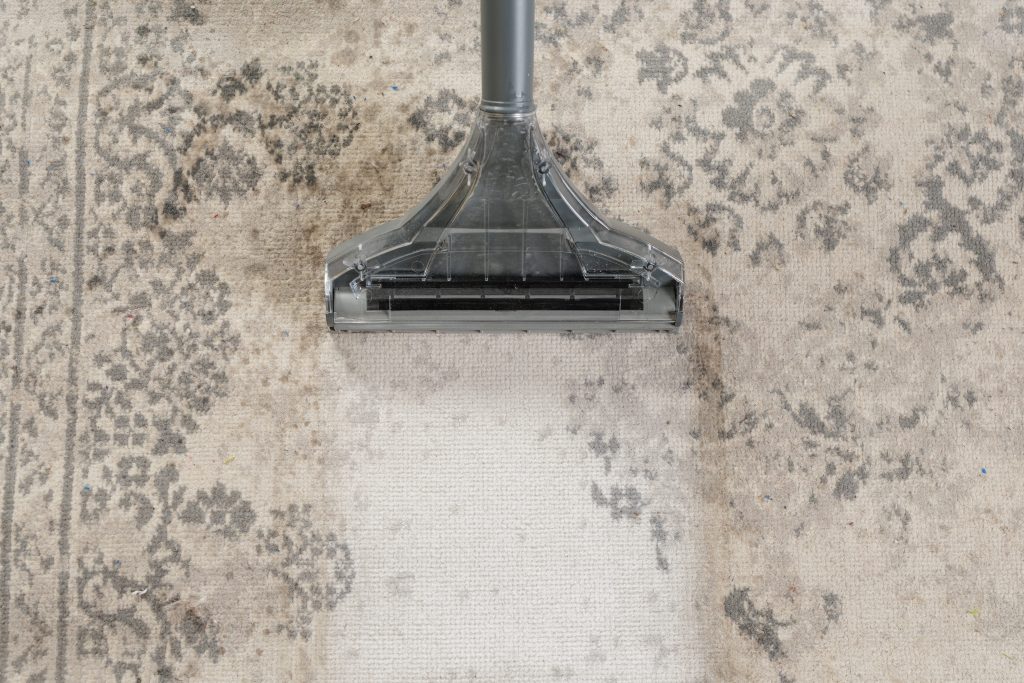
Illinois summers push humidity past 70%, and winters trap moisture indoors for months. That combination turns your comforter and area rug into hidden hosts for mold, mildew, and allergens, faster than you’d think. Knowing when to machine wash and when to trust professional laundry services is the difference between a fresh home and a quietly damaged one.
If you’ve ever pulled a freshly washed comforter out of the dryer only to discover it smells faintly musty two days later, Illinois weather may be the real culprit. Chicago and the surrounding suburbs sit in one of the more humidity-challenged climates in the Midwest – hot and sticky from June through September, then sealed-up and stale from November through March. For bulky household items like comforters and area rugs, that humidity doesn’t just affect how they feel. It affects how safely they can be cleaned and dried at home.
Here’s what years of working with fabric care in this climate have taught us – and what you need to know before you toss that king-size comforter or wool rug into your washing machine.
Most laundry advice is written for a general audience. It doesn’t account for the fact that a down comforter air-dried in Phoenix and one air-dried in suburban Chicago are two completely different experiences. According to the EPA, indoor humidity above 60% creates favorable conditions for mold and mildew growth, a threshold Illinois residents regularly exceed in warmer months.
When thick items like comforters and area rugs don’t dry completely and quickly, moisture stays trapped in the fill or fiber backing. That’s where problems start: musty odors, fiber breakdown, and in severe cases, mold growth you can’t see but can definitely smell.
Takeaway: In a humid climate, drying time matters just as much as washing technique. A machine wash that leaves moisture behind can do more harm than good.
For lightweight, synthetic-fill comforters, a large-capacity home washer on a gentle cold cycle often does the job. The key word is large. Cramming a queen or king comforter into a standard residential machine means it won’t rinse thoroughly, and damp clusters of fill become a mildew risk fast.
Use your machine if:
Opt for professional laundry services if:
At CD One Price Cleaners, comforters go through a carefully controlled cleaning and drying process that accounts for fill type and density, the kind of precision a home dryer simply can’t replicate, especially in July in Illinois.
Area rugs are one of the most mishandled household items when it comes to cleaning. The instinct to hose them down in the driveway or run them through a home washer is understandable — but in an Illinois summer, that approach can leave you with a rug that smells worse than before you started.
Here’s why: most area rugs have a fiber backing or dense pile that holds moisture long after the surface feels dry. That trapped moisture, combined with Illinois humidity, is a direct path to mildew growth, particularly in rugs with wool, jute, or natural fiber construction.
When home cleaning works for area rugs:
When professional rug cleaning is the right call:
Professional rug cleaning uses temperature-controlled water, appropriate pressure settings, and commercial drying equipment that gets the job done completely, without leaving moisture behind to become tomorrow’s mildew problem.
A comforter ruined by improper washing can cost hundreds of dollars to replace. An Oriental rug damaged by water or home cleaning chemicals can be irreplaceable. Beyond the monetary cost, there’s the health angle: the Asthma and Allergy Foundation of America identifies damp indoor environments as a major trigger for allergy and asthma symptoms, something Illinois residents don’t need any extra help with.
Professional laundry services aren’t just about convenience. In a climate like ours, they’re about protecting what you own and the air quality inside your home.
| Item | Machine Wash? | Go Professional? |
| Synthetic comforter, small-medium | ✅ If label allows | When in doubt |
| Down or wool comforter | ❌ | ✅ Always |
| Small synthetic rug | ✅ | For deep cleaning |
| Wool or Oriental rug | ❌ | ✅ Always |
| Rubber-backed rug | ❌ | ✅ Always |
| Pet-stained rug or comforter | ❌ | ✅ Always |
Bottom Line
Illinois humidity makes bulky fabric care more complicated than most guides admit. When items don’t dry fully, whether a king comforter or a living room area rug, you’re not just dealing with a damp inconvenience. You’re creating conditions for mold, allergens, and permanent fiber damage.
Ready to give your comforters and rugs a shine that actually sticks? Contact your nearest CD One Price Cleaners location
We think you may like
Get Garment Guides
Why You Should Clean and Condition Leather Garments
 Get How-To's
How To Clean Leather Jackets
 Get How-To's
How to Clean and Restore Suede