
 Get Garment Guides
Garment Guides
Why You Should Clean and Restore Your Leather Garments
Stores without a 24/7 Kiosk are closed on Labor Day.
Read tips, tricks, and how-to’s on our Fabric of Life blog.
Garment Guides
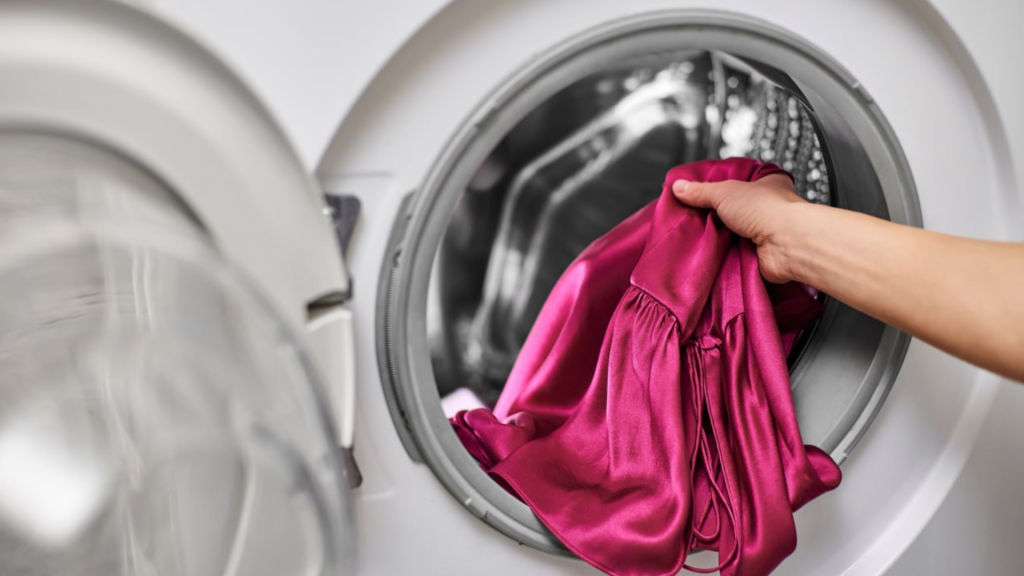
Anyone who’s lived through a Chicago summer knows the drill. You walk outside in June and the air hits you like a warm, wet towel. You go back inside, peel off your blouse or dress shirt, and toss it in the laundry basket. No big deal, right?
But when that blouse or dress shirt is made of silk, a small stain from sweat, deodorant, makeup, food, or a spilled drink can quickly become a major concern. Silk is a delicate, protein-based fabric prized for its luxurious sheen, soft drape, and breathability. In Chicago’s humid summers, moisture and body oils make stains set faster, increasing the risk of permanent damage if handled incorrectly.
Here’s a practical guide to dealing with stained silk safely, focusing on what actually works and what to avoid.
Silk fibers absorb oils, proteins, and dyes easily. Unlike cotton or synthetics, silk reacts poorly to water, heat, and friction. Common home attempts—rubbing the spot, using regular detergent, soaking in water, or running it through a washing machine—often lead to water spots, shrinkage, color bleeding, or loss of natural luster.
Key rule: Never rub a silk stain. Blot gently with a clean, dry white cloth to absorb excess liquid. Avoid water-based cleaners, bleach, or harsh spot removers unless you’re certain they’re silk-safe (and even then, test on a hidden area first).
For very fresh spills:
These steps can help minimize damage, but they are not guaranteed to fully remove the stain, especially once it begins to set.
Most silk garments carry a “dry clean only” label for good reason. Professional dry cleaning uses specialized solvents and controlled techniques that lift stains without introducing water that can ruin the fabric’s texture and appearance.
Experienced cleaners know how to handle delicate silk stain removal for items like blouses, dress shirts, scarves, dresses, and ties. They can address set-in sweat stains, yellowing underarms, makeup marks, and more while restoring the garment’s original sheen and drape.
In humid climates like Chicago, where clothes pick up extra moisture and perspiration, regular professional care helps prevent small issues from becoming big ones.
Silk is an investment worth protecting. While quick blotting and careful home techniques can help with fresh accidents, professional dry cleaning services remain the safest and most effective way to remove stubborn stains and maintain the fabric’s quality over time.
If you’re dealing with a stained silk item and want expert results without the guesswork, look for trusted local dry cleaners experienced with delicates. Many offer convenient pickup and delivery options to make professional care easy.
Your favorite silk blouse or dress shirt can often be rescued and look like new again—with the right approach and a bit of patience.
For more fabric care tips tailored to Chicago’s challenging weather, explore resources on proper cleaning for delicate garments and seasonal humidity challenges.
We think you may like
Get Garment Guides
Why You Should Clean and Restore Your Leather Garments
 Get How-To's
How To Clean Leather Jackets
 Get How-To's
How to Clean and Restore Suede